By Dr. Odimientimi Agbedeyi
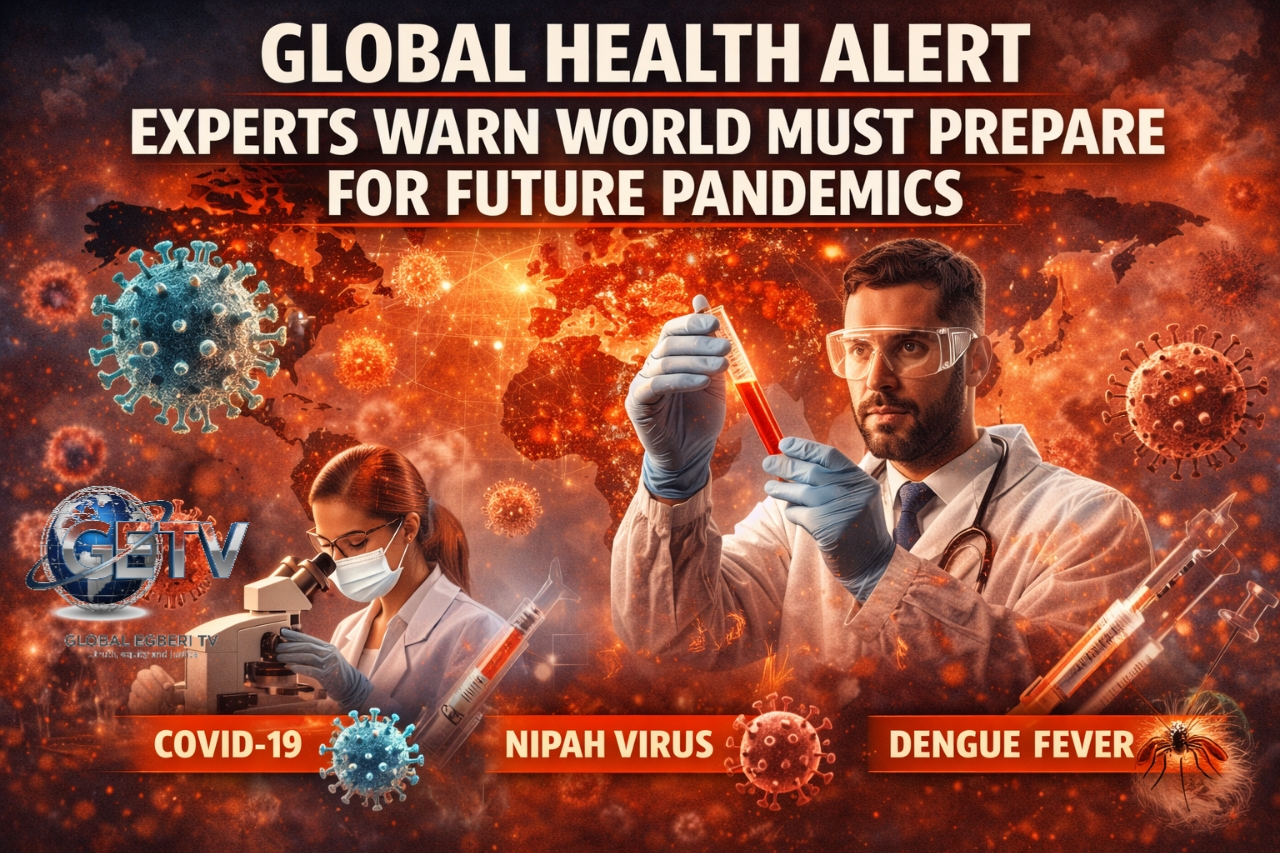
Health experts around the world are raising urgent concerns that the global community must strengthen preparedness for future pandemics as new disease threats continue to emerge.
Six years after the devastating COVID-19 shook the world, the World Health Organization says global health systems have improved in some areas but remain vulnerable to emerging infectious diseases and unexpected outbreaks. (World Health Organization)
Emerging Diseases Continue to Threaten Global Health
Medical researchers warn that viruses transmitted from animals to humans—known as zoonotic diseases—remain one of the biggest threats to global health.
One of the viruses causing concern among scientists is the Nipah virus, which has triggered alarm following recent outbreaks in Asia. The virus spreads through infected animals, contaminated food, or human-to-human contact and can cause severe neurological complications. (Al Jazeera)
Another disease under close monitoring by global health authorities is Mpox, which has continued to spread in several regions since the global outbreak began in 2022. The disease typically causes fever, swollen lymph nodes, and painful skin rashes. (World Health Organization)
Rising Threat from Mosquito-Borne Diseases
Beyond viral outbreaks, mosquito-borne illnesses are also becoming a major concern.
Health researchers recently launched the Global Dengue Observatory, a new monitoring platform designed to track the spread of Dengue fever worldwide.
According to experts, nearly half of the world’s population is now at risk of dengue infection, with more than 14 million cases recorded globally in 2024 alone. (LSHTM)
The disease, transmitted primarily by the Aedes mosquito, can cause severe fever, headaches, joint pain, and in extreme cases life-threatening complications.
Recent Outbreaks Highlight Global Vulnerability
Recent health incidents have further demonstrated how quickly infectious diseases can spread.
Authorities recently investigated a suspected norovirus outbreak aboard a cruise ship traveling from Japan to Hong Kong, where nearly 80 passengers and crew members fell ill with symptoms such as vomiting, diarrhea, and fever. (New York Post)
Although the outbreak was quickly contained through sanitation measures, health experts say such incidents illustrate the speed at which viruses can spread in crowded environments.
Strengthening Global Disease Surveillance
To prevent future global health crises, international organizations are expanding surveillance networks that monitor disease outbreaks.
The Global Outbreak Alert and Response Network (GOARN), coordinated by the World Health Organization, brings together more than 360 public health institutions worldwide to detect and respond to health emergencies before they escalate. (health.nyc.govt.institute)
Public health specialists emphasize that early detection, rapid reporting, and international cooperation remain the most effective tools in preventing another pandemic.
Lessons from the Past
The COVID-19 pandemic demonstrated how interconnected the world has become—and how quickly a local outbreak can turn into a global crisis.
Experts now stress that investment in health infrastructure, scientific research, and disease surveillance systems is essential to safeguard humanity from future pandemics.
“The world must remain vigilant,” global health experts warn. “Preparedness today will determine how humanity survives the next global health emergency.”
Source: World Health Organization (WHO), International Health Agencies, Global Health Research Reports





Join the Discussion (0 Comments)